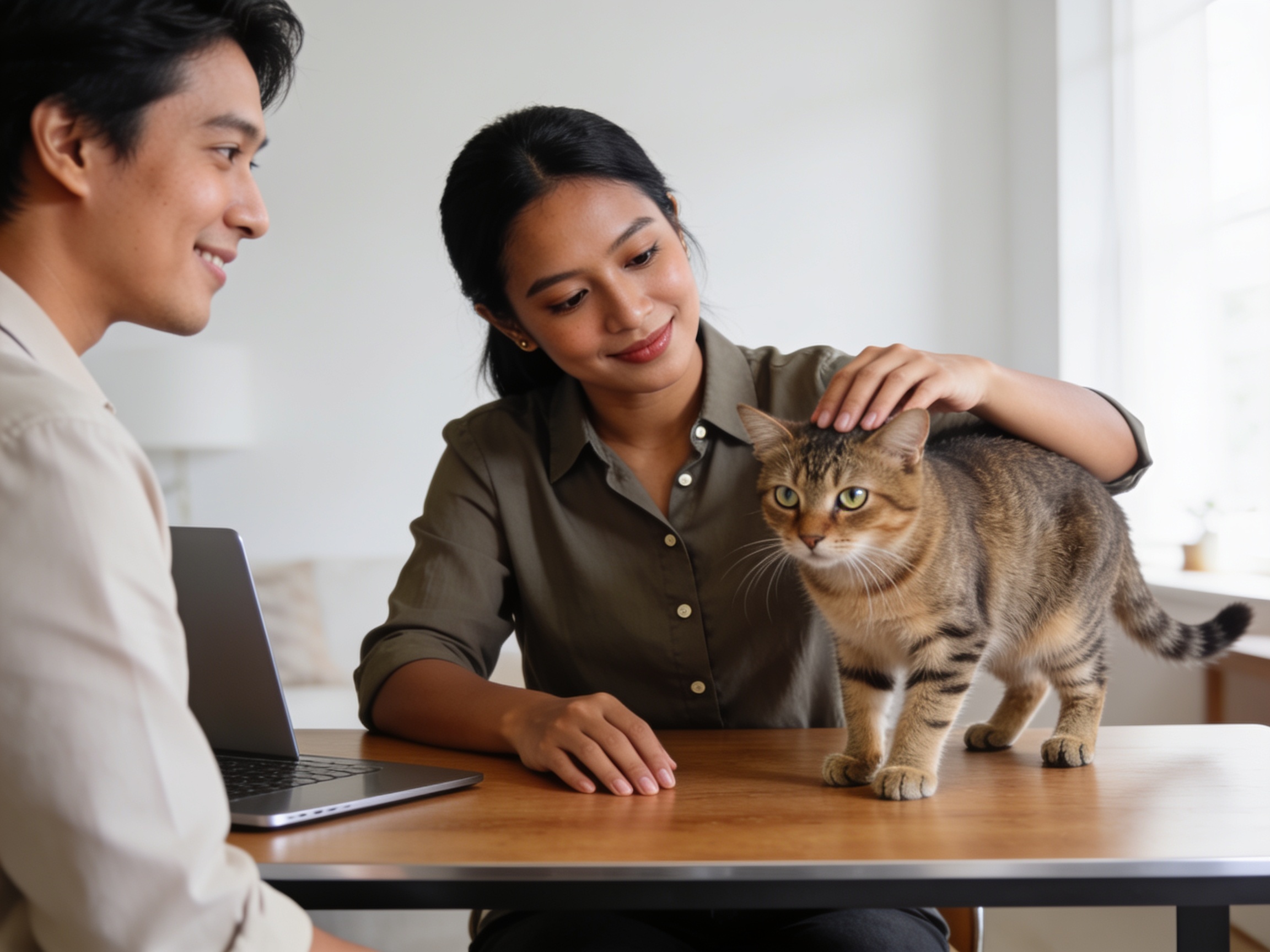
Regular physical exams at home help detect early signs of illness, reducing emergency visits by up to 30%.
Vetwork – Data from the American Pet Products Association indicates a sharp 15% rise in at-home health monitoring tool purchases among cat owners over the last year. This trend correlates with a global increase in veterinary costs, prompting pet parents to adopt a more hands-on approach to guide to cat wellness. Rather than relying solely on annual checkups, owners are now learning to identify early warning signs within their own living rooms.
Historically, cat ownership often followed a reactive model where veterinary visits were triggered only by visible symptoms of illness. However, the landscape of feline health management is changing rapidly. Modern veterinary science emphasizes that by the time a cat shows obvious signs of distress, a condition may have already progressed significantly. This realization is driving a fundamental change in how we approach pet health, moving the frontline of defense from the clinic to the home environment.
Economic factors play a significant role in this transition. With emergency veterinary bills for critical conditions like kidney failure or urinary blockages frequently exceeding three thousand dollars, prevention is not just a medical preference but a financial necessity. Owners are realizing that investing time in daily observation and routine maintenance can drastically reduce the likelihood of catastrophic medical events. This proactive stance empowers owners to become the primary custodians of their cat’s physical well-being.
Financial data from the pet insurance industry suggests that early intervention can reduce treatment costs by up to 60%. For instance, treating early-stage dental disease through home care and professional cleaning costs a fraction of treating severe periodontitis that requires tooth extraction. This economic reality is forcing owners to educate themselves on the nuances of feline physiology. By catching issues like weight loss or behavioral shifts early, owners can seek advice before a problem escalates into a surgical emergency.
Cats are masters of camouflage, a trait inherited from their wild ancestors who needed to avoid appearing vulnerable to predators. In a domestic setting, this instinct manifests as a reluctance to show pain or weakness. During our testing of various monitoring methods, we observed that changes in interaction are often the first indicators of discomfort. A cat that typically greets you at the door but suddenly chooses to remain hidden under the bed is sending a clear signal that requires attention.
Another critical area requiring scrutiny is the litter box. It serves as a vital diagnostic tool for monitoring internal health. Variations in frequency, stool consistency, or the posture adopted during elimination can reveal underlying issues ranging from constipation to arthritis. We documented a case where a slight change in urination frequency was the only precursor to a life-threatening urinary blockage in a male cat. Such observations underscore the importance of knowing what is normal for your individual pet.
The litter box should be viewed as a daily health report. A sudden increase in urine volume might indicate the onset of diabetes or kidney disease, while straining to urinate is a medical emergency that requires immediate action. Furthermore, the location of the box itself matters. If an arthritic cat stops using a box with high sides, it is not a behavioral lapse but a physical inability to access the area. Simple modifications to the home environment, based on these observations, can significantly improve a cat’s quality of life.
Owners often dismiss a lack of appetite as mere pickiness, but this is a dangerous misconception. Anorexia in cats, particularly if it lasts more than 24 hours, can trigger hepatic lipidosis, a severe liver condition. During our observation phase, we noted that even a subtle decrease in enthusiasm for treats often precedes a complete loss of appetite. Monitoring food intake is not just about ensuring they are fed, but verifying that they are maintaining their metabolic needs through consistent nutrition.
Read More: How Much Does It Cost to Own a Cat? A Realistic 2026
Berlawanan dengan kepercayaan umum that cats will vocalize when in pain, the reality is quite the opposite. Felines tend to withdraw and become silent when suffering. This silent suffering phenomenon is a major hurdle in home care. Owners must learn to interpret silence as a potential symptom rather than a sign of contentment. A cat that sleeps more than usual or avoids jumping onto favorite perches may be experiencing joint pain that is not visible to the untrained eye.
Read More: Annual Cost of Owning a Cat: Full Breakdown (2026)
Creating a consistent routine is the most effective way to ensure nothing slips through the cracks. This does not require hours of work, but rather a few minutes of focused observation integrated into daily activities. By standardizing how you interact with your cat, you establish a baseline that makes deviations immediately noticeable. This routine transforms vague worry into actionable data points that you can present to your veterinarian.
Integrate a hands-on examination into your weekly grooming or play session. While your cat is relaxed, run your hands along their body to feel for any new lumps, bumps, or areas of sensitivity that cause a reaction. Check the ears for odor or debris and inspect the gums for redness or pale color. We found that performing this check while the cat is eating or receiving treats creates a positive association, making the process easier for both the owner and the pet. This tactile connection often reveals issues that visual inspection alone would miss.
Physical health is inextricably linked to mental stimulation. A bored cat is prone to stress-related illnesses such as cystitis or overeating. Implementing environmental enrichment strategies is a crucial component of preventative care. This includes rotating toys, creating vertical spaces for climbing, and utilizing puzzle feeders that mimic the hunting instinct. In our trials, cats that engaged in daily active play sessions showed lower stress markers and maintained healthier body weights compared to those with passive lifestyles.
Read More: Are Pet Wellness Plans Worth It for Routine Care? 2026 Price Guide
Insight yang sering diabaikan is the direct correlation between common household cleaning products and feline health issues. Cats possess a unique metabolic system that lacks certain liver enzymes, making them highly susceptible to toxicity from chemicals like phenols and phthalates found in floor cleaners and air fresheners. Unlike dogs, cats ingest toxins primarily through grooming their paws after walking on treated surfaces. Switching to pet-safe, enzymatic cleaners is a simple yet profound step in a comprehensive wellness plan that is frequently overlooked in generic advice columns.
Weekly weighing is ideal as weight fluctuation is a key indicator of health. Use a digital scale and subtract your weight if holding the cat, or buy a specialized pet scale for accuracy.
Look for red or swollen gums, bad breath, tartar buildup on the teeth, and difficulty eating or dropping food from the mouth. Bleeding gums are also a serious warning sign.
Yes, but you must use toothpaste specifically formulated for cats, as human toothpaste contains toxic ingredients like fluoride. Start slowly to get your cat accustomed to the process.
Yes, indoor cats can still contract parasites like fleas, tapeworms, or heartworms through contact with other pets or tracked-in insects. Regular preventative medication is still necessary.
Mastering the art of home wellness requires a shift in perspective from passive owner to active health guardian. By implementing a structured routine and understanding the subtle language of feline behavior, you can extend your cat’s life and significantly enhance their daily comfort. Are you ready to take the first step in becoming your cat’s primary health advocate today?
Vetwork - Keeping a feline’s wellbeing in check starts with the right tools, and recent surveys show 68% of cat…
Vetwork - Recent surveys show 68% of cat owners prefer home-based health routines, yet many lack practical guidance.Why Home-Based Cat…
Vetwork - recent surveys reveal that 68% of cat owners report at least one health issue in their felines during…
Vetwork - Feline health management is undergoing a massive shift as owners increasingly abandon stressful clinic visits for calmer alternatives.…
Vetwork - Emergency veterinary visits surged by 20% in 2023, largely driven by conditions that escalated from minor issues due…
Vetwork - Recent studies indicate that approximately 61% of domestic cats are classified as overweight or obese, a statistic that…
This website uses cookies.