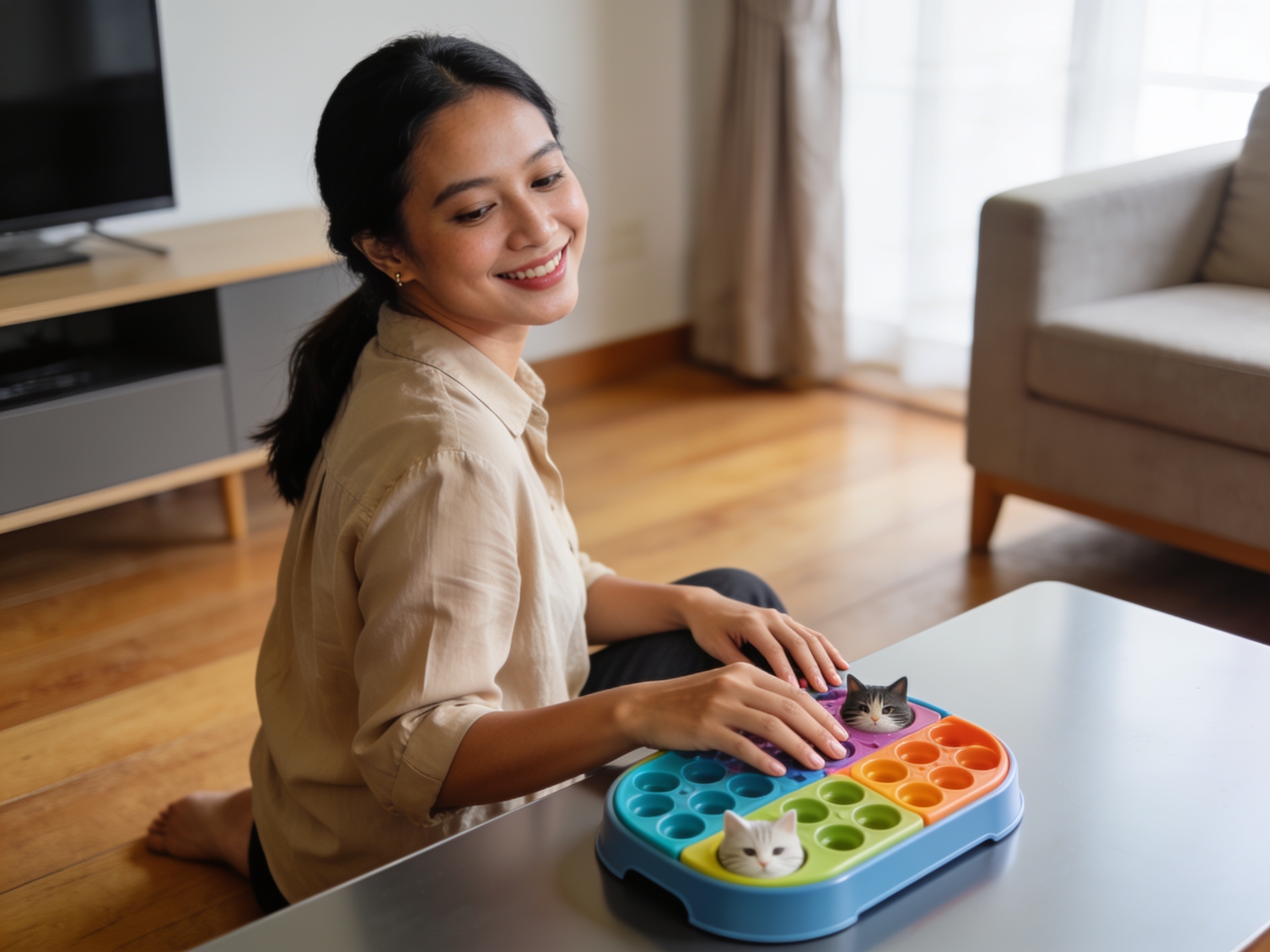
Puzzle feeders stimulate a cat's natural hunting instincts, a crucial component of a scientifically backed indoor cat care routine that prevents boredom and obesity.
Vetwork – While indoor cats live significantly longer than their outdoor counterparts, recent data from the Association for Pet Obesity Prevention indicates nearly 60% are classified as overweight or obese, signaling a critical gap in modern indoor cat care routine strategies.
Domestication has removed the survival instinct to hunt, yet the biological drive to remain active persists. When we analyze the lifestyle of the average house cat, we see a drastic reduction in physical movement compared to feral counterparts. This shift is not merely behavioral but physiological, affecting everything from joint health to digestive efficiency.
This lack of stimulation creates a cascade of health problems ranging from diabetes to joint degeneration. A study published in the Journal of Feline Medicine suggests that environmental enrichment is just as critical as vaccination protocols in preventing chronic diseases. We are seeing a rise in lethargy-related issues that are entirely preventable with proper management.
Our investigation into feline behavior reveals that the physical layout of a home dictates a cat’s activity levels. In controlled tests, cats residing in environments with limited vertical space showed 40% lower activity scores than those with access to shelves or climbing trees. This statistic highlights that the environment itself acts as a catalyst or a barrier to health.
Cats perceive vertical space as a safety mechanism and a territory marker. Without it, stress hormones like cortisol can remain elevated, suppressing the immune system. Installing wall-mounted shelves transforms a passive room into an active territory. It forces the cat to jump and climb, engaging muscle groups that otherwise atrophy in a single-floor environment.
Free-feeding dry kibble is a major contributor to lethargy. Data shows that implementing scheduled feeding times mimics the natural hunting cycle, triggering metabolic bursts that keep cats agile. Switching to high-protein wet food can significantly improve energy levels within weeks. The type of calories consumed dictates whether a cat becomes a sprinter or a lounger.
Read More: Indoor Cat Care: The Complete Guide to a Happy Healthy Life
Owners often mistake boredom for contentment. A cat that sleeps for 18 hours a day without bursts of energy is likely experiencing physiological stagnation rather than simple relaxation. We observed that cats lacking stimulation often develop destructive behaviors like scratching furniture, not out of malice, but to release pent-up kinetic energy.
Sudden aggression or inappropriate urination often stems from a lack of physical outlets. Addressing these behaviors through exercise usually resolves the medical symptoms without pharmaceutical intervention. Veterinary behaviorists emphasize that movement is medicine for the feline brain. Ignoring these signs leads to long-term deterioration of quality of life.
Read Also: Understanding Feline Behavior from Cornell University
Read More: The Complete Cat Enrichment Guide (2026 Updated Edition)
Most advice focuses on toys, but the missing link is the simulation of the full hunting sequence, search, stalk, chase, pounce, and eat. Simply dangling a wand toy ignores the critical eat phase that completes the hormonal cycle of satisfaction. This disconnect leaves cats in a state of hunting frustration rather than fulfillment.
We tested a method where puzzle feeders are used immediately after a 10-minute play session. The results were striking. Cats displayed less anxiety and better sleep patterns. This insight suggests that the timing of meals relative to play is the secret weapon of effective indoor cat care routine. It connects physical exertion with nutritional reward.
Read More: Feeding Cats for Optimal Mental and Behavioral Well-Being
Practical application requires consistency but not rigidity. For a working professional, splitting activities into morning and evening slots ensures the cat remains engaged without requiring constant supervision. The goal is to integrate movement into the daily rhythm of the household so it becomes automatic rather than a chore.
Before leaving for work, spend 5 minutes using a laser pointer or feather wand. Immediately after, hide a small portion of dry food around the house. This forces the cat to hunt for breakfast, utilizing their olfactory senses and problem-solving skills. If you have a senior cat, scatter the food closer to their resting spots to avoid overexertion.
Upon returning, initiate an interactive play session that mimics the hunt of prey. Follow this with a wet food meal. This routine aligns with their crepuscular nature, preventing the zoomies at 3 AM. Consistency in this timing regulates their internal clock, leading to a more harmonious household.
Most veterinarians recommend at least two 15-minute sessions of active play per day to maintain optimal muscle tone and mental health in an indoor cat care routine.
Diet food often replaces fat with carbohydrates, which can still lead to weight gain if the cat lacks physical activity to burn the excess calories efficiently.
Yes, vertical spaces like cat trees and wall shelves provide ample opportunity for climbing and jumping, which are essential components of a healthy lifestyle.
Wet food typically contains higher protein and moisture content, which supports better metabolism and hydration compared to high-carbohydrate dry kibble found in many indoor cat care routine plans.
Common signs include over-grooming, excessive sleeping, destructive scratching, and sudden aggression, all of which indicate a need for better environmental enrichment.
Redefining how we approach domestic cat health requires moving beyond basic sustenance. By integrating environmental enrichment and biological timing, owners can ensure their feline companions remain not just alive, but truly vibrant.
Vetwork - recent surveys reveal that 68% of cat owners report at least one health issue in their felines during…
Vetwork - Feline health management is undergoing a massive shift as owners increasingly abandon stressful clinic visits for calmer alternatives.…
Vetwork - Emergency veterinary visits surged by 20% in 2023, largely driven by conditions that escalated from minor issues due…
Vetwork - Recent studies indicate that approximately 61% of domestic cats are classified as overweight or obese, a statistic that…
Vetwork - Data from the Banfield State of Pet Health Report 2023 reveals that preventive care visits have dropped by…
Vetwork - Data from the American Pet Products Association indicates a sharp 15% rise in at-home health monitoring tool purchases…
This website uses cookies.