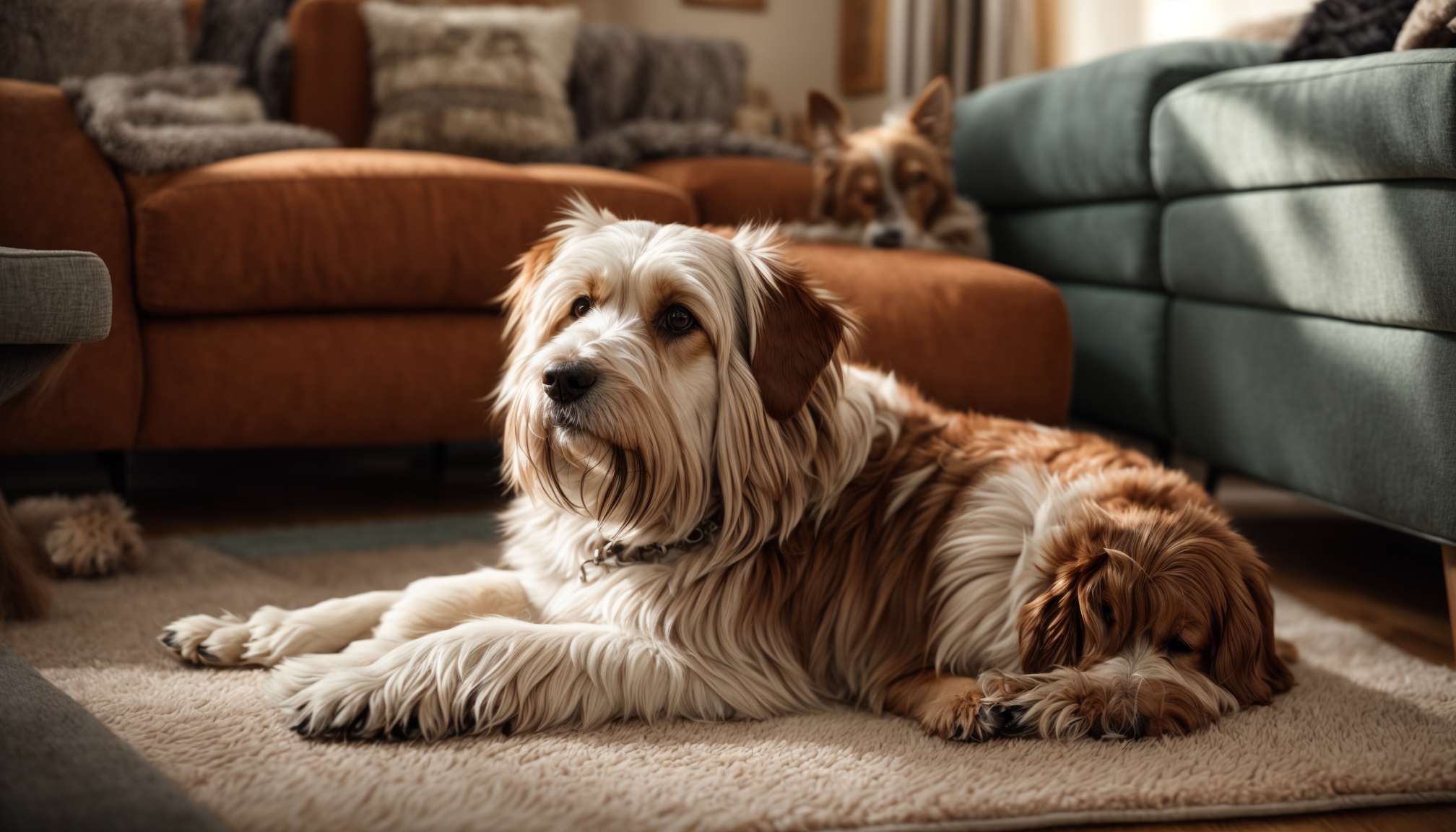
vetwork – Dog behavior experts increasingly report that in-home grooming reduces anxiety and improves overall emotional stability in sensitive pets.
For many pets, in-home grooming reduces anxiety more effectively than any trip to a crowded salon. Traditional grooming locations often overwhelm dogs with loud dryers, barking animals, and unfamiliar smells. All these elements quickly trigger stress responses.
In a salon, dogs usually wait in cages before and after grooming. This separation from owners can deepen fear and confusion. In addition, hurried schedules may force groomers to move faster than nervous dogs can handle.
Because of these factors, many owners notice shaking, panting, or whining before every grooming appointment. Some dogs refuse to enter the building at all. Over time, this negative cycle makes each visit harder and more stressful.
One key reason in-home grooming reduces anxiety is the power of a familiar environment. Dogs feel safest in their own territory. Their bed, toys, and daily scents send signals of security and routine.
When grooming happens at home, there is no stressful car ride, no waiting room, and no chaotic noise from other pets. Consequently, the dog faces fewer new stimuli at once. This calmer setting lowers the chance of fear-based reactions.
In addition, the owner remains nearby. Even if the dog is groomed in a separate room, the sound and smell of a trusted human provide comfort. Many anxious dogs relax as soon as they realize they are still inside their normal space.
Professional groomers who work at home visits follow methods designed for nervous or reactive dogs. As a result, in-home grooming reduces anxiety with structured, predictable steps.
First, many groomers start with a calm greeting. They allow the dog to sniff, observe, and adjust before touching. Gentle body language and soft tones signal safety, not pressure.
After that, the groomer often introduces tools slowly. Clippers, brushes, and dryers appear one at a time. The dog can see and smell each tool, maybe even receive treats during exposure. Gradual introduction builds trust and reduces fear.
Because there is no crowded schedule, sessions can pause when the dog seems overwhelmed. Short breaks help the nervous system reset. Over multiple visits, the dog usually associates these pauses with relief and emotional safety.
Another vital reason in-home grooming reduces anxiety is the personal, one-on-one attention. In a busy salon, groomers juggle several animals at once. Noise and time pressure can make delicate communication difficult.
At home, the groomer focuses only on one pet. This focus makes it easier to read subtle signals like ear position, lip licking, or tension in the shoulders. Early recognition of stress allows gentle adjustments before panic appears.
On the other hand, dogs also mirror human energy. A calm, unhurried groomer helps the dog slow its breathing and heart rate. This shared calm often becomes a predictable pattern, especially when combined with consistent routines.
Many owners report visible changes after switching to home visits. Over time, in-home grooming reduces anxiety not only during sessions but also in daily life. Dogs that once hid from brushes may begin to approach willingly.
Behavior specialists note that when grooming becomes less scary, dogs show fewer stress signals before and after handling. They may recover faster from small triggers and remain more relaxed during nail trims or ear cleaning.
Read More: How to recognize and gently manage anxiety signs in sensitive dogs
As a result, positive grooming experiences create a new emotional memory. Instead of associating clippers and baths with fear, dogs learn that these events bring gentle touch, praise, and sometimes tasty rewards.
For many families, building a clear routine is how in-home grooming reduces anxiety most effectively. Dogs thrive on predictable patterns. When the same sequence repeats, they know what happens next.
Owners can support the groomer by choosing a consistent room, time of day, and setup. For example, soft background music, a non-slip mat, and a familiar towel signal that grooming is about to begin.
In addition, short practice sessions between professional visits help. Brushing for a few minutes, touching paws gently, or lifting ears while offering treats teaches the dog that calm behavior brings rewards.
Older dogs and those with medical conditions often benefit most when in-home grooming reduces anxiety. Travel can be painful for arthritic pets. Hard salon floors and metal tables increase discomfort.
At home, the groomer can adjust to the dog’s physical limits. They may work on a low platform, a padded surface, or even the floor. Because of this flexibility, fragile dogs remain more comfortable and cooperative.
Furthermore, dogs with vision or hearing loss feel safer in a known environment. Familiar furniture, smells, and walking paths prevent disorientation. Gentle touch and slow movement further lower stress for these vulnerable animals.
Not every professional has the same approach, so selecting carefully is essential. A skilled provider knows exactly how in-home grooming reduces anxiety and can explain their methods clearly.
Look for groomers who mention fear-free handling, positive reinforcement, and flexible timing. Ask how they respond if a dog panics or refuses a particular step. Their answers reveal patience, empathy, and experience.
It can also help to schedule a brief meet-and-greet before the first full session. This visit allows the dog to explore calmly. During this time, you can observe how the groomer interacts, offers treats, and reads body language.
Over repeated appointments, many owners see how in-home grooming reduces anxiety and builds lasting confidence. Each calm experience adds another layer of trust between dog, owner, and groomer.
With fewer stress triggers, grooming gradually shifts from a feared event into a manageable routine. For some dogs, it even becomes a pleasant opportunity for attention and gentle touch.
In-home grooming reduces anxiety by combining a familiar environment, one-on-one focus, and patient handling. When these elements come together, anxious pets gain the comfort and security they need to stay clean, healthy, and emotionally balanced.
This website uses cookies.