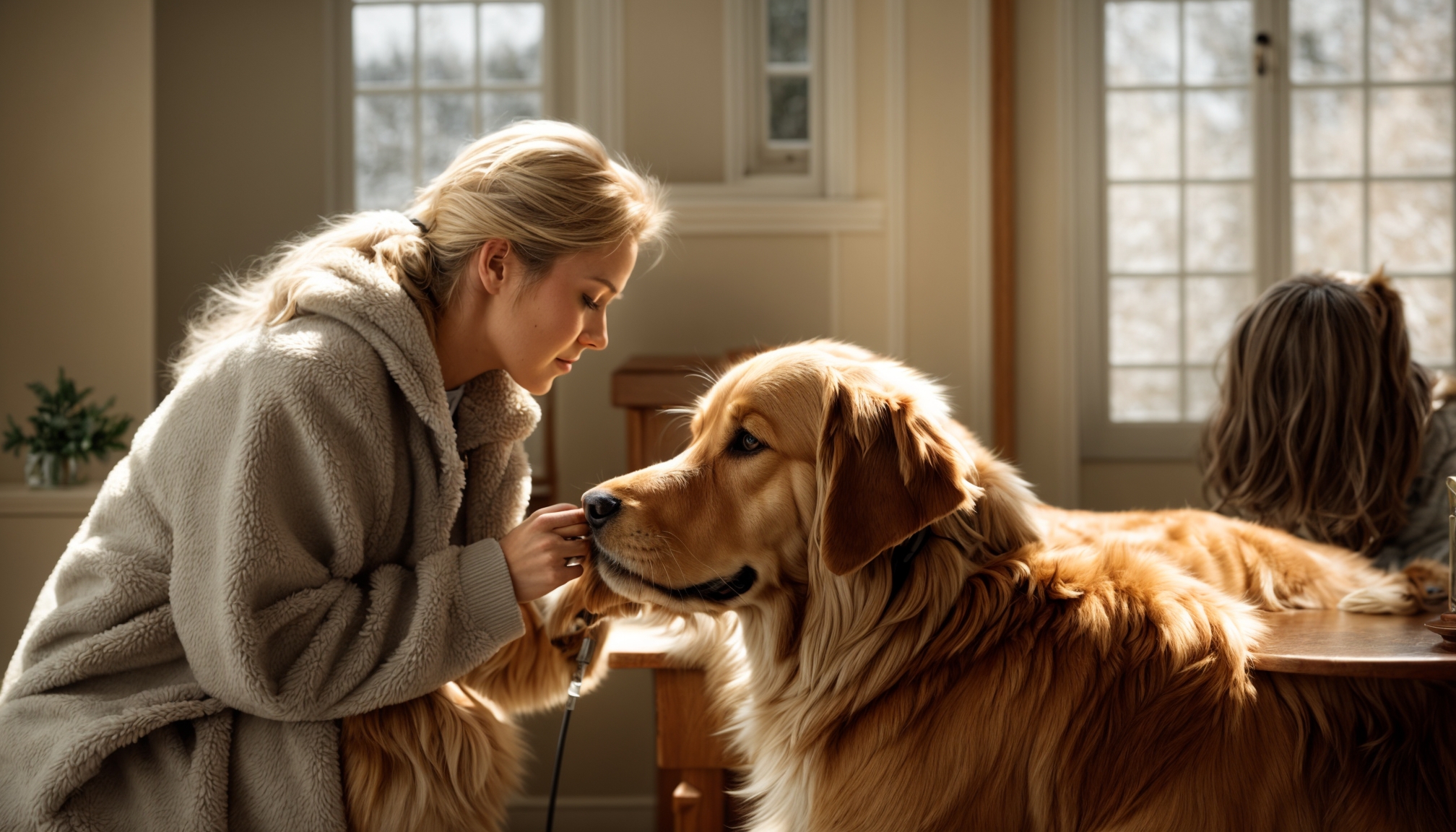
vetwork – Pet owners face unique challenges in cold seasons, making winter dog grooming tips vital to prevent coat damage, painful tangles, and skin irritation.
Cold air dehydrates a dog’s coat and skin. Indoor heating worsens the dryness. As a result, coats lose natural shine and become fragile. Regular winter dog grooming tips reduce breakage and matting. They also help maintain a strong skin barrier.
Many owners avoid baths in cold weather. However, this can cause dirt and loose hair to build up. Then knots form close to the skin. These tangles pull on hair follicles and cause discomfort. Consistent grooming prevents this problem.
Some dogs grow thicker undercoats in winter. Without brushing, loose undercoat hair becomes trapped. That is why winter dog grooming tips focus on gentle, frequent care. The goal is healthy insulation, not heavy mats.
Proper tools make grooming safer and more comfortable. Select a slicker brush for most medium and long coats. It removes loose hair without tearing healthy strands. In addition, use a metal comb to check for hidden knots behind ears and under legs.
On the other hand, double-coated breeds benefit from an undercoat rake. This tool pulls dead undercoat out before it turns into mats. However, avoid over-brushing in one spot. That can irritate the skin.
For sensitive or small dogs, choose soft-pin brushes. These distribute natural oils through the coat. Those oils are essential in winter. They protect the hair shaft and reduce static, a common cause of tangling.
Apply your winter dog grooming tips consistently. A short, gentle session every few days works better than a long, harsh grooming once a month.
Harsh shampoos strip natural oils and leave hair brittle. Therefore, use a moisturizing, dog-safe shampoo and conditioner. Winter dog grooming tips always include extra hydration for coat and skin.
Limit baths to every four to six weeks unless your vet suggests otherwise. After bathing, rinse thoroughly. Residual shampoo causes itchiness and flaking. Then dry the coat completely using a towel and, if needed, a low-heat dryer.
Never send a damp dog outside in cold weather. The combination of moisture and low temperature stresses the skin. It also increases the risk of tangling. Blow-dry in the direction of hair growth while brushing. This technique smooths the coat.
Many specialists share winter dog grooming tips that focus on post-bath care. A leave-in conditioner or detangling spray helps reduce static and friction between hairs.
Certain body zones mat faster than others. The armpits, behind ears, around collars, and between hind legs trap friction and moisture. Check these spots daily. Early attention is one of the most effective winter dog grooming tips.
Use your fingers to feel for small knots. Then gently work them out with a comb, starting at the ends of the hair and moving toward the skin. Never yank a comb straight through a mat. That hurts and may damage hair follicles.
If you cannot loosen a knot with careful combing, use blunt-tip scissors and cut parallel to hair growth in small slices. However, leave severe mats to a professional groomer. They can remove them safely.
Meanwhile, consider switching to a breakaway or fabric collar. Plastic and tight collars rub hair and create friction. A softer option supports many winter dog grooming tips by protecting the neck area from damage.
Owners often search for guidance before the first snow. Reliable resources improve home care. Read More: Expert winter coat care advice to keep your dog comfortable
Combine professional guidance with your own routine. Over time, you will adjust winter dog grooming tips to match your dog’s breed, age, and activity level. That balance keeps the coat beautiful and practical.
Skin health strongly influences coat quality. Dry, itchy skin leads to scratching and biting. Then hair breaks and tangles more easily. Winter dog grooming tips should always mention hydration from the inside and outside.
Provide fresh water and a balanced diet rich in omega fatty acids. These nutrients support skin elasticity and natural oil production. In addition, wipe your dog’s paws after walks. Road salt and ice-melt chemicals irritate pads and the hair between toes.
Use paw balm or wax before walks to create a protective layer. After that, trim long fur between toe pads to stop ice balls forming. Those ice balls pull hair and strain joints. Regular trimming is a small step with major benefits.
Winter dog grooming tips also include monitoring for redness, cracks, and color changes on pads. Early treatment with vet-approved products prevents infections that may spread up the leg.
Many owners fear any trimming during cold weather. However, excessively long coats trap snow, dirt, and ice. This leads to heavy mats. Smart winter dog grooming tips promote moderate trimming rather than full shaving.
Ask a groomer for a tidy trim that keeps length but removes damaged ends. Focus on sanitary areas, belly feathering, and leg fringes. Shortening these zones reduces tangling while preserving insulation over the torso.
For small or short-haired breeds, consider a well-fitted winter coat or sweater. Combined with winter dog grooming tips, clothing helps maintain comfort on walks. Make sure garments do not rub or twist hair into knots.
Check under straps and around armholes after each outing. Remove any small tangles before they tighten. Quick action prevents painful mats and skin sores.
Consistency matters more than perfection. Create a short schedule and stick to it. Three to five minutes of brushing several times a week is enough for many dogs. Integrate winter dog grooming tips into daily life, such as after walks or before bedtime.
Keep grooming tools in an accessible basket. That visual reminder encourages regular use. Pair grooming with praise and small treats. Then the dog associates the process with positive attention.
If you struggle, book regular sessions with a professional groomer. Share your preferred winter dog grooming tips and ask for personalized adjustments. A groomer can show you safe techniques for sensitive areas.
For quick reference, save a guide or checklist. You can also use an internal resource like winter dog grooming tips to remind yourself of best practices throughout the season.
Healthy coat care is a form of daily kindness. When you apply winter dog grooming tips with patience, your dog enjoys better comfort and mobility. Mats do not pull at the skin. Paws stay protected, and coats remain soft and functional.
Pay attention to individual needs. Senior dogs or those with health issues may require gentler methods. In those cases, adapt winter dog grooming tips to shorter sessions and softer tools.
By watching how your dog responds, you can fine-tune every step. Over time, grooming becomes a calm ritual instead of a stressful chore. With consistent winter dog grooming tips, your companion moves through the cold season warm, clean, and free from painful tangles.
This website uses cookies.