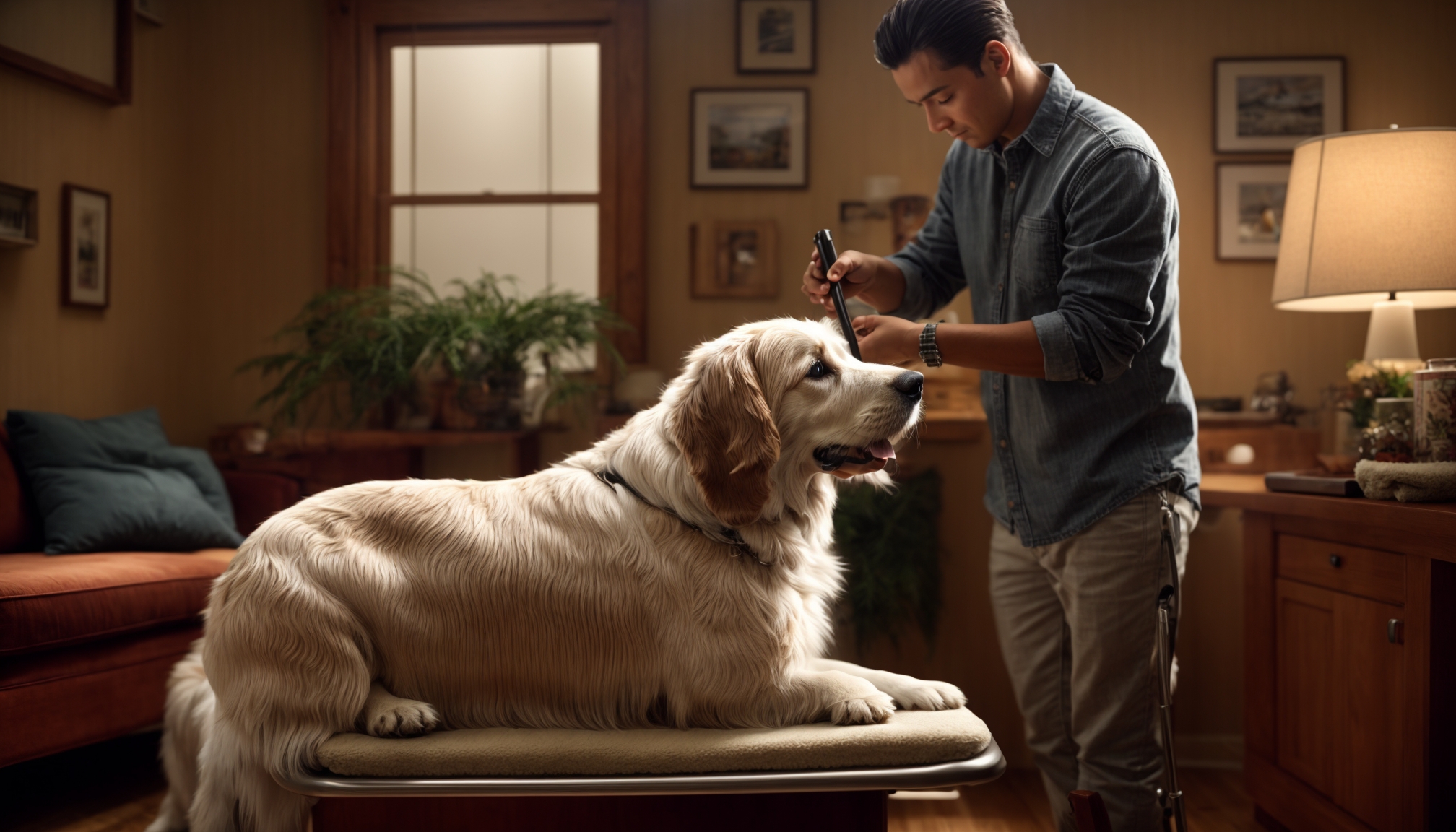
vetwork – Pet owners increasingly focus on comfort in home grooming to keep their animals calm, safe, and emotionally secure during every care session.
For many pets, grooming feels stressful and unfamiliar. Comfort in home grooming reduces fear and makes every step gentler. A relaxed dog or cat is easier to handle and less likely to react suddenly. This means a safer process for both the animal and the owner.
Comfort begins with the environment. Familiar smells, known voices, and a quiet room help nervous pets relax. In addition, comfort in home grooming strengthens the emotional bond between pet and owner. The animal starts to associate touch, tools, and routine with safety instead of anxiety.
Over time, this repeated feeling of comfort in home grooming can change a pet’s behavior. Anxious animals may become more cooperative. Confident pets may even look forward to grooming, because they link it with attention and affection.
Comfort in home grooming depends on several simple elements that work together. First, the atmosphere must feel calm. Lower voices, gentle music, and stable lighting reduce stress. Second, the surface where you groom the pet should be non-slip and secure, so they do not feel at risk of falling.
Handling is just as important. Slow, predictable touch tells the pet what will happen next. Sudden movements can undo the comfort in home grooming you are trying to build. Therefore, always move the brush, clipper, or nail grinder in clear, steady lines.
Finally, the owner’s mood plays a big role. Animals sense tension quickly. When the person stays relaxed and patient, comfort in home grooming becomes easier to maintain. Breathing slowly and speaking softly help keep the whole session in balance.
The right tools strongly influence comfort in home grooming. Dull blades pull fur and cause pain. Old nail clippers can crush instead of cut. Because of that, well-maintained equipment is essential. Sharp blades and clean brushes glide smoothly through the coat.
Choose shampoos and conditioners designed for the pet’s skin type. Hypoallergenic products protect sensitive skin and support comfort in home grooming for pets with allergies. Water temperature also matters. Lukewarm water feels soothing, while cold or very hot water creates shock and resistance.
Towels and drying methods affect how secure the animal feels. Some pets fear loud dryers. For them, gentle towel drying or a quiet, low-heat dryer can protect the sense of comfort in home grooming and prevent panic or escape attempts.
Understanding body language is central to comfort in home grooming. Signs of stress include flattened ears, tucked tail, lip licking, yawning, or constant shifting. Some pets freeze instead of struggling, which can be easy to miss.
On the other hand, signs of growing comfort in home grooming include a loose body, soft eyes, and a normal breathing pattern. The pet may lean into the brush or nuzzle your hand. When you notice stress signals, pause. Give the pet time to breathe, then resume slowly.
Shorter sessions are often better than long ones. Ending the process while the pet still feels safe protects the comfort in home grooming you have established. It also helps the animal remember the session as mostly positive.
A clear routine supports comfort in home grooming by making the process predictable. Start with a brief check of paws, ears, and coat. Then move to gentle brushing, which feels pleasant for most pets when done slowly.
Next, handle more sensitive tasks like nail trimming or ear cleaning. Introduce each tool before using it, letting the pet sniff and see it. This simple step improves comfort in home grooming because the animal does not feel ambushed by unknown objects.
Read More: How to build a gentle and stress free grooming routine
Finish with a calm reward, such as a small treat or quiet praise. Over repeated sessions, this pattern teaches your pet that comfort in home grooming is normal, expected, and followed by something pleasant.
Emotional safety is the deeper meaning of comfort in home grooming. The pet learns that the person touching its paws, ears, and tail is trustworthy. This trust makes future care easier, including vet visits or medical treatment.
When grooming feels safe, it also becomes a moment of connection. Many owners use brushing time to check their pet for lumps, wounds, or parasites. Because comfort in home grooming keeps the animal calm, these health checks are more thorough and less rushed.
Furthermore, shared calm routines can reduce general anxiety. An animal that experiences regular comfort in home grooming may handle other life changes better, such as moving house or meeting new people.
Certain habits quickly destroy comfort in home grooming. One common mistake is rushing. When an owner feels in a hurry, movements become sharp and tense. The pet responds with fear and resistance.
Another mistake is ignoring early stress signals. Forcing a scared animal to continue can create long-term fear of grooming. Instead, protect comfort in home grooming by taking breaks and reducing the length of each session.
Punishment is also harmful. Scolding, physical force, or loud frustration tell the pet that grooming is dangerous. Once this association forms, rebuilding comfort in home grooming requires far more time and patience.
Consistency is the strongest tool for building comfort in home grooming. Schedule grooming on the same days or times when possible. The pattern becomes part of the pet’s routine, reducing surprise and resistance.
Use positive reinforcement. Reward relaxed behavior with treats, toys, or affection. Each reward links grooming to good outcomes and reinforces comfort in home grooming as a stable feeling.
In some cases, working with a mobile groomer or behaviorist can help. Professionals who respect comfort in home grooming can show you handling techniques, proper tool use, and desensitization steps tailored to your pet’s needs.
Ultimately, the real value of comfort in home grooming lies in the daily lives of pets and their families. Calm, predictable care keeps animals healthier, cleaner, and more confident in their own space.
By choosing gentle tools, reading body language carefully, and moving at your pet’s pace, you protect comfort in home grooming with every session. As this pattern becomes normal, grooming shifts from a feared chore to a shared ritual of trust.
When owners treat comfort in home grooming as a priority rather than an extra, pets respond with trust, cooperation, and visible relief. Over months and years, that quiet comfort in home grooming becomes one of the most meaningful forms of care you can offer.
This website uses cookies.