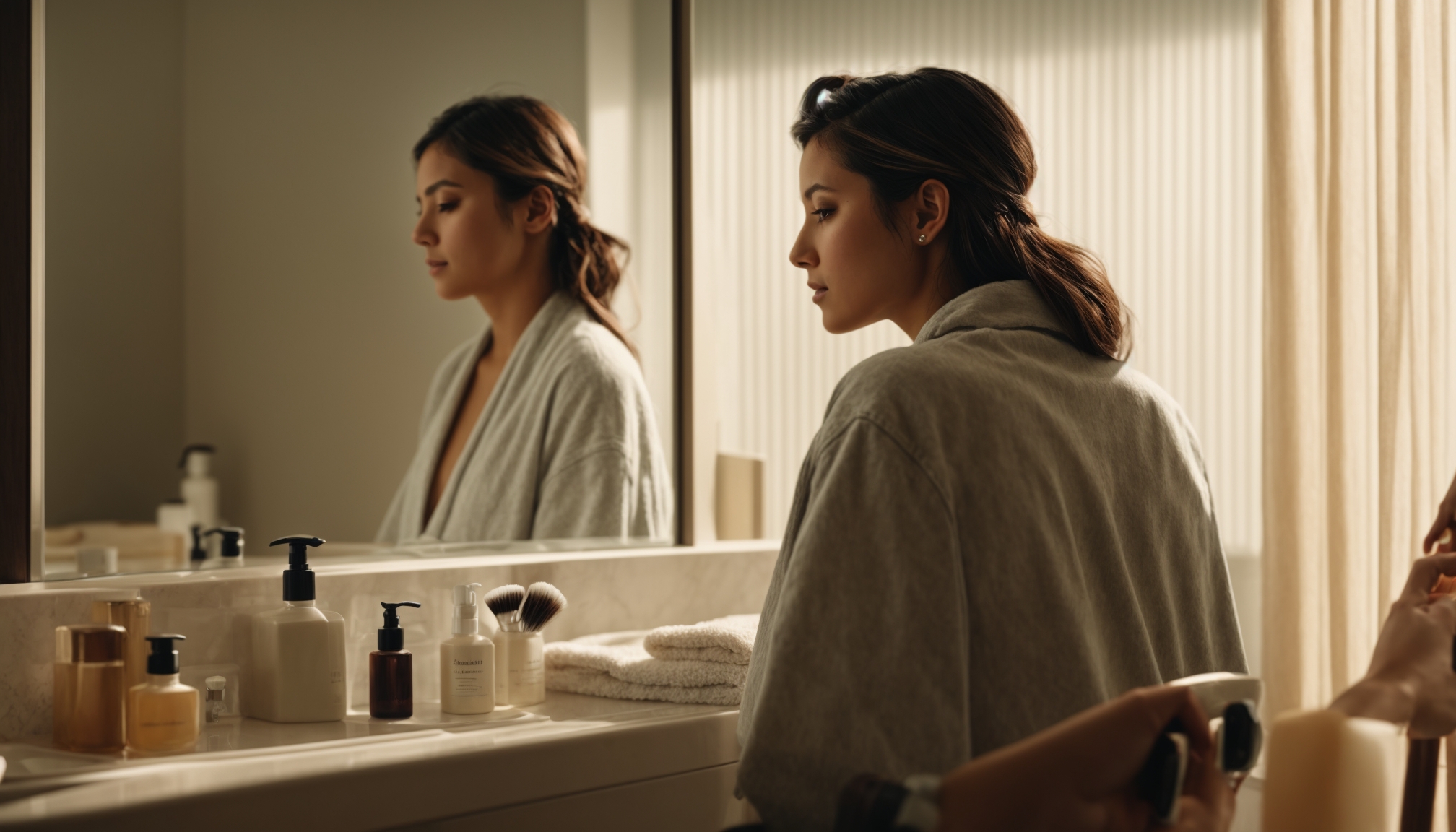
vetwork – Across many cities, home-based grooming slow living is emerging as a calm alternative to rushed salon visits and hyper-productive routines.
The idea of home-based grooming slow living starts with time. People want fewer rushed appointments and more meaningful rituals. At home, grooming turns into a quiet routine instead of a chore between meetings.
Slow living invites clear choices. Instead of chasing endless upgrades, individuals focus on what feels essential. Home-based grooming supports this mindset. It favors simple tools, fewer products, and consistent care.
In addition, there is a strong emotional shift. Many people feel drained by constant noise, travel, and social pressure. Bringing grooming into the home offers privacy, calm, and more control over the environment.
Modern salons often move at high speed. Appointments stack. Music plays loudly. People feel they must talk, decide, and leave fast. Home-based grooming slow living takes the opposite path. It slows down each step.
At home, haircut, shaving, skincare, or nail care can become small daily or weekly rituals. These moments bring attention back to the body. They reconnect people with their own reflection instead of a stylist’s clock.
However, this shift does not mean rejecting professionals. Many stylists and beauty workers now offer home visits. They design calmer sessions, with longer time slots and simpler service menus. The focus moves to comfort and presence instead of volume and speed.
The emotional impact of home-based grooming slow living is subtle yet powerful. A quiet bathroom, a warm towel, and a familiar mirror can provide a feeling of safety that big salons cannot easily match.
Therefore, grooming can turn into a form of gentle self-therapy. A simple routine like washing hair, trimming a beard, or applying a face mask becomes a way to process stress. It creates a small pause between responsibilities.
On the other hand, it also reduces social performance. There is no need to dress up, make small talk, or present a certain image. People can show up as they are. That honesty fits naturally with the values of slow living.
Another key element of home-based grooming slow living is minimalism. Instead of shelves full of unused items, people select a small set of trusted tools and products. This reduces clutter and decision fatigue.
Many choose classic tools that last for years: safety razors, wooden brushes, stainless steel scissors, and reusable cloths. As a result, waste decreases. The ritual feels more grounded and less disposable.
Product choices also become more thoughtful. People read labels, track reactions, and avoid impulse buying. They often prefer fragrance-free, low-ingredient formulas that support long-term skin and hair health.
After that, refills, bulk purchases, and solid formats help cut packaging. This practical side of slow living aligns smoothly with the soothing rhythm of home grooming sessions.
Creating a small space for home-based grooming slow living does not require a full remodel. A corner of a bathroom or bedroom can be enough. The key is clarity, light, and ease of use.
First, remove items you never use. Keep only what supports your current routine. Then group tools and products by function: hair, skin, nails, or shaving. This structure saves time and keeps surfaces clean.
Lighting matters as well. Soft, warm light is more relaxing than harsh white. A small lamp or dimmable bulb can turn a basic sink into a calm station. A simple mirror at eye level encourages better posture and focus.
Meanwhile, adding one or two comforting elements can deepen the slow feeling. A hand towel you enjoy, a glass jar for brushes, or a small plant can signal that this corner is meant for care, not hurry.
For many independent stylists and beauty workers, home-based grooming slow living offers a new path. Instead of renting an expensive chair, they visit clients or invite them to a studio-like home space.
This model can lower overhead costs and increase flexibility. Professionals can choose fewer, longer sessions instead of chasing volume. In addition, they can refine a signature style that attracts people who value calm and quality.
Some create simple menus: classic cuts, mindful shaves, or focused skincare sessions. Others blend grooming with wellness, adding breathwork, tea rituals, or brief consultations about daily routines.
Read More: How the modern slow living movement reshapes daily routines
This approach is not about luxury packages. Instead, it centers on presence and honest conversation. It respects the client’s pace and energy level. That respect becomes part of the overall experience.
Technology can support home-based grooming slow living when used carefully. Online calendars, reminder apps, and shared notes help keep routines consistent without adding stress.
For example, a monthly reminder to replace razor blades or clean brushes can maintain hygiene. Short notes in a phone can track which products work or irritate the skin.
Nevertheless, the goal is not to gamify grooming or turn it into another productivity task. Screens should stay outside the grooming corner whenever possible. The real focus is on the body, the mirror, and the simple tools in hand.
By treating digital tools as quiet helpers instead of the main stage, people protect the gentle rhythm of their new routines.
Although grooming happens at home, the spirit of home-based grooming slow living can still be shared. Friends and family often exchange tips about tools, products, and simple routines that actually last.
Some host small, informal evenings where they learn basic haircut techniques, beard shaping, or scalp massage. These gatherings create connection without loud events or heavy marketing.
In addition, online communities now highlight simple before-and-after photos taken at home, without filters or heavy editing. These images support a more realistic view of beauty and aging.
As people witness this quiet shift, they may feel encouraged to try their own version. There is no single standard. Each home can develop a different rhythm, guided by what feels caring and sustainable.
At its core, home-based grooming slow living is not a trend but a gentle correction. It responds to years of speed, noise, and constant display. By turning routine care into an attentive ritual, people reclaim lost moments of presence.
Over time, these small practices shape identity. A weekly shave, a calm hair trim, or a quiet skincare routine becomes proof that care does not need an audience. It only needs intent.
As more homes adopt this rhythm, the culture around beauty and grooming can soften. Pressure to rush and perform loses strength. In its place, a quieter form of elegance appears, built on attention, respect, and calm.
Ultimately, the movement toward home-based grooming slow living invites a simple question: how do we want to feel in our own skin, in our own space, on an ordinary day?
This website uses cookies.