vetwork – Pet owners who struggle with constant shedding increasingly rely on practical hair collection tools pets use daily to keep homes cleaner and more comfortable.
Living with cats or dogs means accepting fur as part of daily life, but the right hair collection tools pets owners choose can dramatically reduce the mess. Loose hair lands on floors, furniture, clothing, and even in the air, which may trigger allergies or irritate sensitive lungs. A strategic toolkit helps you manage shedding instead of constantly reacting to it.
Effective tools do more than catch loose fur. They also protect fabrics, extend the life of carpets, and reduce time spent on deep cleaning. When you use targeted tools, you remove hair at the source and stop it from spreading around the house.
Because every home and pet is different, it helps to understand what each tool does best. That way, you can combine a few simple solutions instead of buying random gadgets that end up unused in a drawer.
Most households only need a small starter kit of practical items to tackle fur. The first essential is a quality pet grooming brush matched to your animal’s coat type. Short-haired dogs and cats often do well with rubber curry brushes or soft bristle brushes, while long-haired breeds usually need slicker brushes that can reach the undercoat.
Next, a reliable lint roller earns a permanent place by the front door, on desks, and in the car. Strong adhesive sheets lift hair quickly from clothing, cushions, and fabric seats. Reusable lint brushes, often covered in microfiber material, also work well and create less waste.
Finally, a strong vacuum with pet-specific attachments becomes the backbone of your cleaning routine. Pet turbo brushes and crevice tools pull hair from carpets, upholstery, and baseboards more effectively than standard vacuum heads.
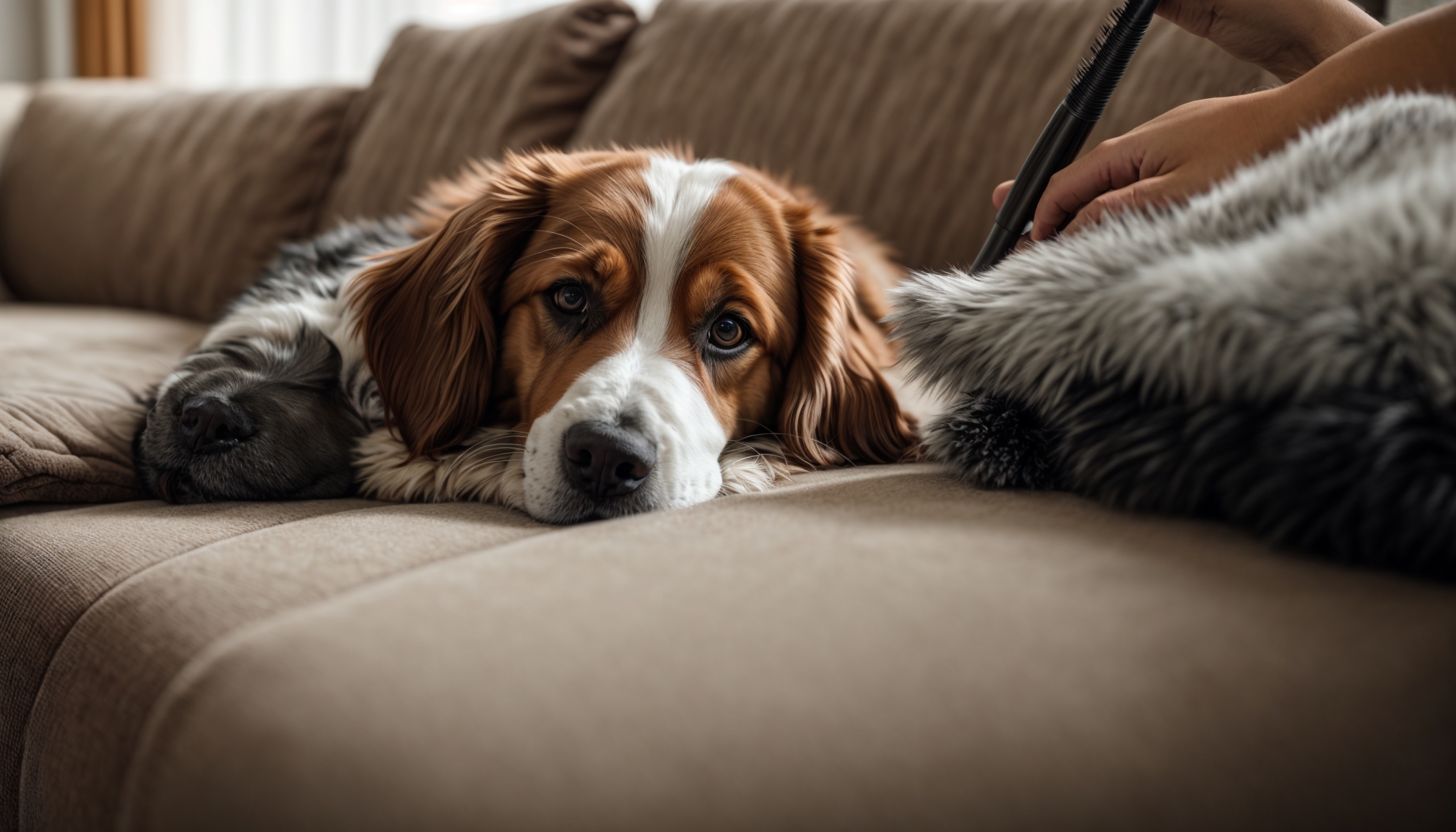
Areas where pets sleep or relax collect the most fur, so they benefit from dedicated hair collection tools pets owners keep nearby. Upholstery-specific hair removers, often shaped like handheld blocks or rubber brushes, grip and pull hair from fabric without damaging it.
For large carpets and rugs, consider a rubber broom. Its flexible bristles generate static that attracts fur, gathering it into clumps that you can vacuum or pick up by hand. This tool excels at removing deeply embedded hair that vacuums sometimes miss.
On beds and fabric sofas, washable furniture covers or throws serve as a first line of defense. You can remove and shake them outside, then wash them regularly, instead of constantly deep-cleaning the underlying upholstery.
Read More: Comprehensive guidance on managing everyday dog care and shedding
Many owners overlook how much fur travels through the washer and dryer. Laundry-specific hair collection tools pets owners add to each load can capture loose hair before it clogs filters or sticks to clean clothing.
Reusable laundry balls made of soft rubber or foam swirl through the wash, attracting fur as fabrics tumble. In the dryer, specially designed dryer balls and lint-collecting pads pull remaining hair from garments and towels.
Mesh bags also help. Place heavily fur-covered items, like pet blankets, inside a bag for a pre-wash or shake-out cycle. This step limits how much hair circulates through the machine and improves cleaning results.
Prevention begins on the pet itself. A consistent grooming routine with the right hair collection tools pets respond to comfortably may reduce shedding around the home. Deshedding tools safely reach the undercoat of double-coated breeds and remove loose fur before it falls.
For short-haired pets, grooming gloves offer a gentle alternative. As you pet the animal, the glove’s textured surface catches loose hairs. This works well for anxious pets that dislike traditional brushes.
Regular bathing with vet-approved shampoos can also reduce shedding, but frequency depends on coat type and skin health. Always follow professional guidance to avoid drying out the skin.
Not every product fits every household, so it helps to prioritize ease of use. Busy owners often prefer low-maintenance hair collection tools pets can tolerate in short, daily sessions instead of long weekly grooming marathons. Compact handheld vacuums or cordless stick vacuums, for example, encourage quick cleanups after playtime or nap spots.
Consider storage and durability as well. Tools that tuck behind a sofa or hang in a closet stay accessible and get used more frequently. Washable or reusable designs may cost more initially but often save money over disposable options.
If anyone in the home has allergies, choose tools rated for fine particles, including vacuums with HEPA filters. These capture dander along with hair and may ease symptoms over time.
Consistency matters more than intensity. A short daily sweep with your preferred hair collection tools pets owners rely on—such as a quick brush, a pass with a lint roller, and a spot vacuum—often beats a long weekend cleaning session. Breaking tasks into small habits keeps fur from becoming overwhelming.
Assign responsibilities within the household: one person manages pet grooming, another handles vacuuming, and someone else focuses on laundry. Clear roles prevent frustration and ensure each tool gets used effectively.
Over time, you will see which tools truly make a difference. Keep those in easy reach and retire ineffective gadgets. With a focused selection of reliable hair collection tools pets need and a simple routine, you can enjoy close time with your animals while keeping your living space cleaner, healthier, and more comfortable for everyone.
This website uses cookies.