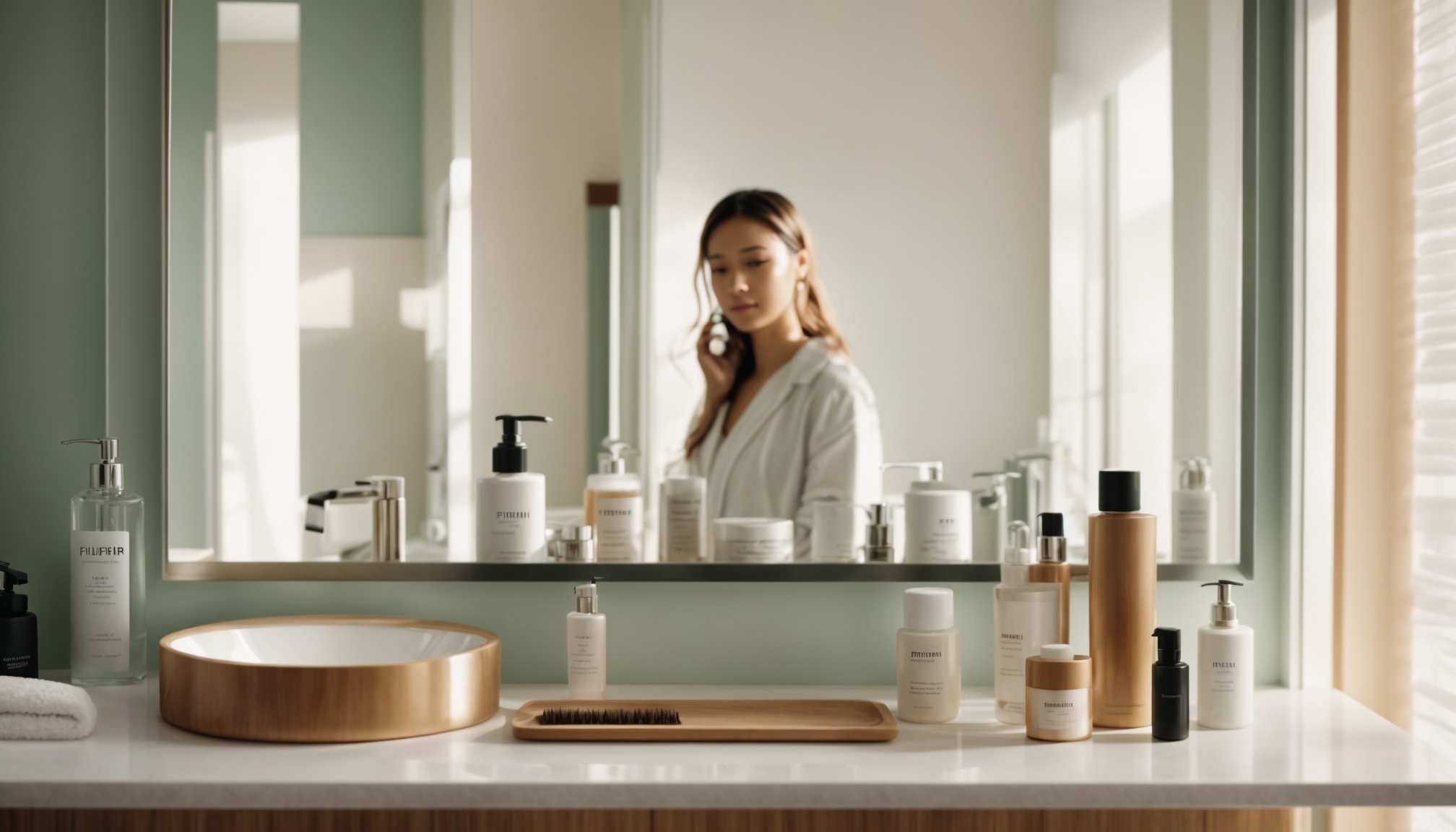
vetwork – The rise of the home grooming cultural trend is reshaping how people manage beauty, hygiene, and self-expression directly from their living rooms and bathrooms.
The home grooming cultural trend grows alongside busier routines and growing pressure for flexibility. People want convenient ways to look and feel good without spending hours commuting to salons or barbers. This shift started long before global lockdowns, but the pandemic accelerated it dramatically, turning homes into personal grooming studios.
Working from home, video calls, and hybrid schedules force many to stay presentable on camera while having less time for outside appointments. As a result, tools like electric trimmers, at-home waxing kits, facial devices, and DIY hair color have become everyday essentials. The home grooming cultural trend now shapes shopping decisions, bathroom layouts, and even social media content.
At the same time, social media tutorials make professional techniques more accessible. People see that they can maintain or even improve their appearance with a bit of practice and the right products. This mix of digital guidance and practical tools reinforces the preference for grooming at home.
Advances in beauty and personal care technology play a crucial role in the home grooming cultural trend. Devices that were once only available in clinics or high-end salons are now compact, safe, and marketed for home use. From LED facial masks to precision trimmers, brands design equipment for non-professionals with simple controls and safety features.
Subscription models also support this trend. Many companies deliver razor blades, skin treatments, or hair-color kits on a monthly basis. Therefore, users can maintain routines consistently without revisiting a store or booking new appointments. These services often include digital guidance, like QR codes linking to video tutorials.
On the other hand, e-commerce platforms provide endless product comparisons and reviews. Shoppers can evaluate machines, creams, oils, and tools before buying. This transparency builds confidence that at-home solutions can replicate salon-level results for everyday needs.
Beyond convenience, the home grooming cultural trend connects deeply with identity and self-image. Grooming has always related to how people present themselves to the world. Now, doing it at home adds layers of privacy and control. Individuals can experiment with styles, cuts, and colors without fear of judgment or the pressure of salon mirrors and staff.
Moreover, many people feel more comfortable learning slowly in private. A first attempt at trimming a beard, shaping eyebrows, or styling curls does not need an audience. This private learning space suits introverts and anyone who once felt intimidated by traditional beauty environments.
Read More: How the pandemic changed our relationship with beauty
Self-expression also becomes more fluid. People can try unconventional looks on weekends, create content for niche communities, and adjust styles to match shifting identities. As a result, the home grooming cultural trend supports a broader cultural move toward personal autonomy and flexible self-presentation.
Financial considerations strongly support the home grooming cultural trend. Regular salon visits, spa appointments, and barbershop sessions can be expensive, especially in major cities. By investing in quality tools and learning techniques, many households reduce long-term costs while maintaining appearance standards they value.
However, this does not mean people stop spending on beauty and grooming. They simply shift where the money goes. Instead of frequent services, budgets move toward multiuse devices, specialized products, and online education. Influencers and educators now sell digital courses on haircutting, skincare layering, or nail art designed for non-professionals.
Meski begitu, professional services do not disappear. Many people adopt a hybrid approach: they visit experts for complex work or occasional refreshes, then use home routines for maintenance. In this way, the home grooming cultural trend complements, rather than replaces, the professional industry.
Social platforms amplify the home grooming cultural trend by turning private routines into shareable experiences. Step-by-step videos, before-and-after photos, and honest product reviews encourage experimentation. Viewers see ordinary people achieve impressive results at home, which reduces fear of failure.
Influencers also normalize imperfections. Failed haircuts, patchy tans, or uneven shaves appear alongside polished looks. This mix shows that learning at home involves mistakes, but those mistakes are acceptable and even entertaining. Consequently, audiences feel less pressure to be perfect from the first attempt.
Community-driven trends such as “Sunday reset” or “self-care night” often include grooming steps: deep conditioning hair, trimming nails, exfoliating, or shaping beards. These rituals frame grooming as emotional maintenance, not just physical upkeep, further embedding the home grooming cultural trend into everyday life.
Looking forward, experts expect the home grooming cultural trend to evolve with smarter, more personalized tools. Devices may scan skin or hair conditions and automatically adjust intensity or settings. Apps will likely integrate calendars, reminders, and AI recommendations based on individual habits.
Nevertheless, questions around safety, training, and unrealistic expectations will remain important. Brands and regulators must ensure products include clear instructions and avoid promising impossible results. Education, both from professionals and responsible creators, will shape how safely this trend grows.
In the long run, the home grooming cultural trend is likely to stay. As people continue seeking flexibility, privacy, and creative control over their appearance, homes will function as mini studios for care and expression. This cultural shift signals not only a new beauty routine, but also a deeper change in how individuals manage time, money, and identity in everyday life.
This website uses cookies.